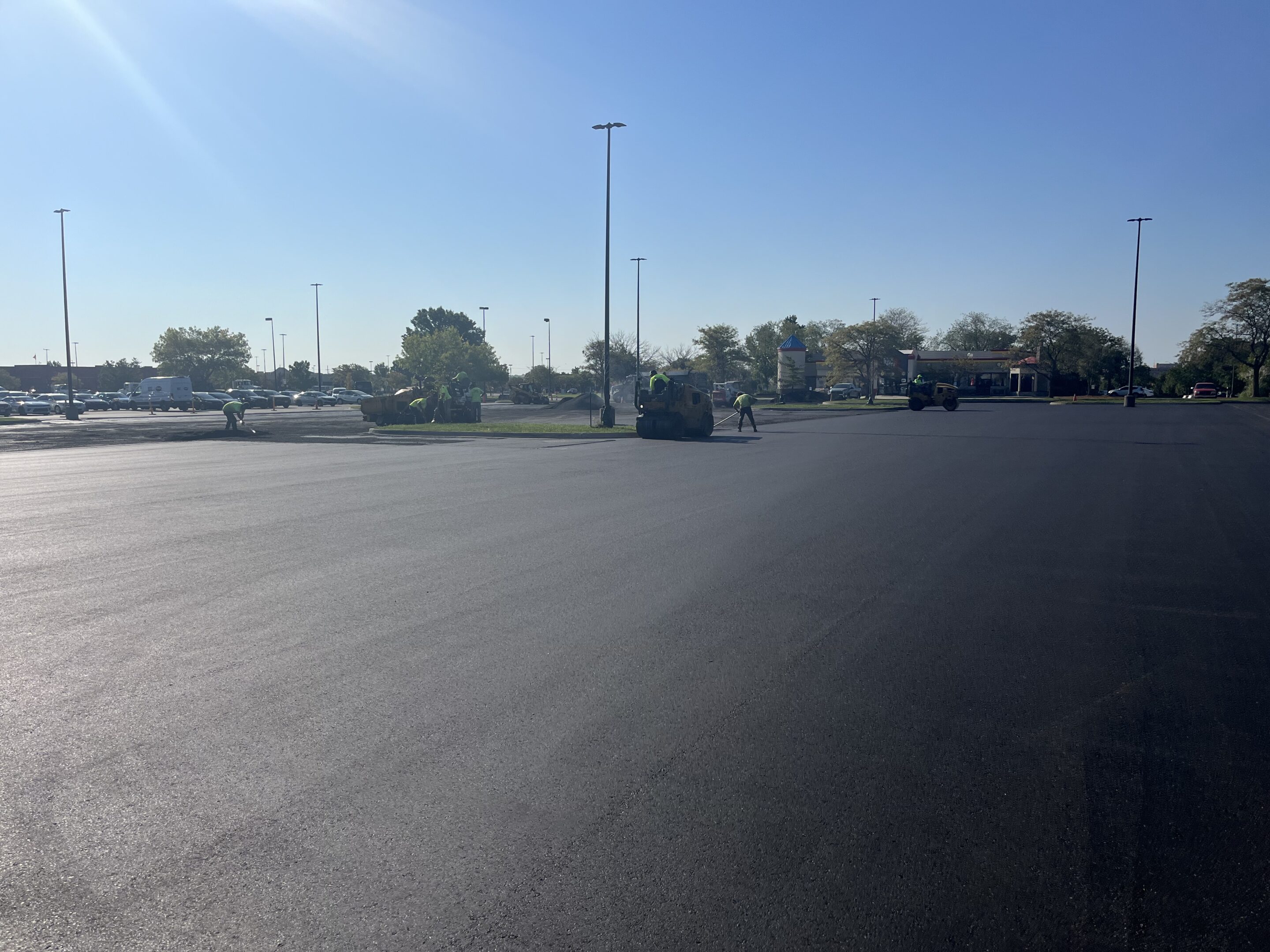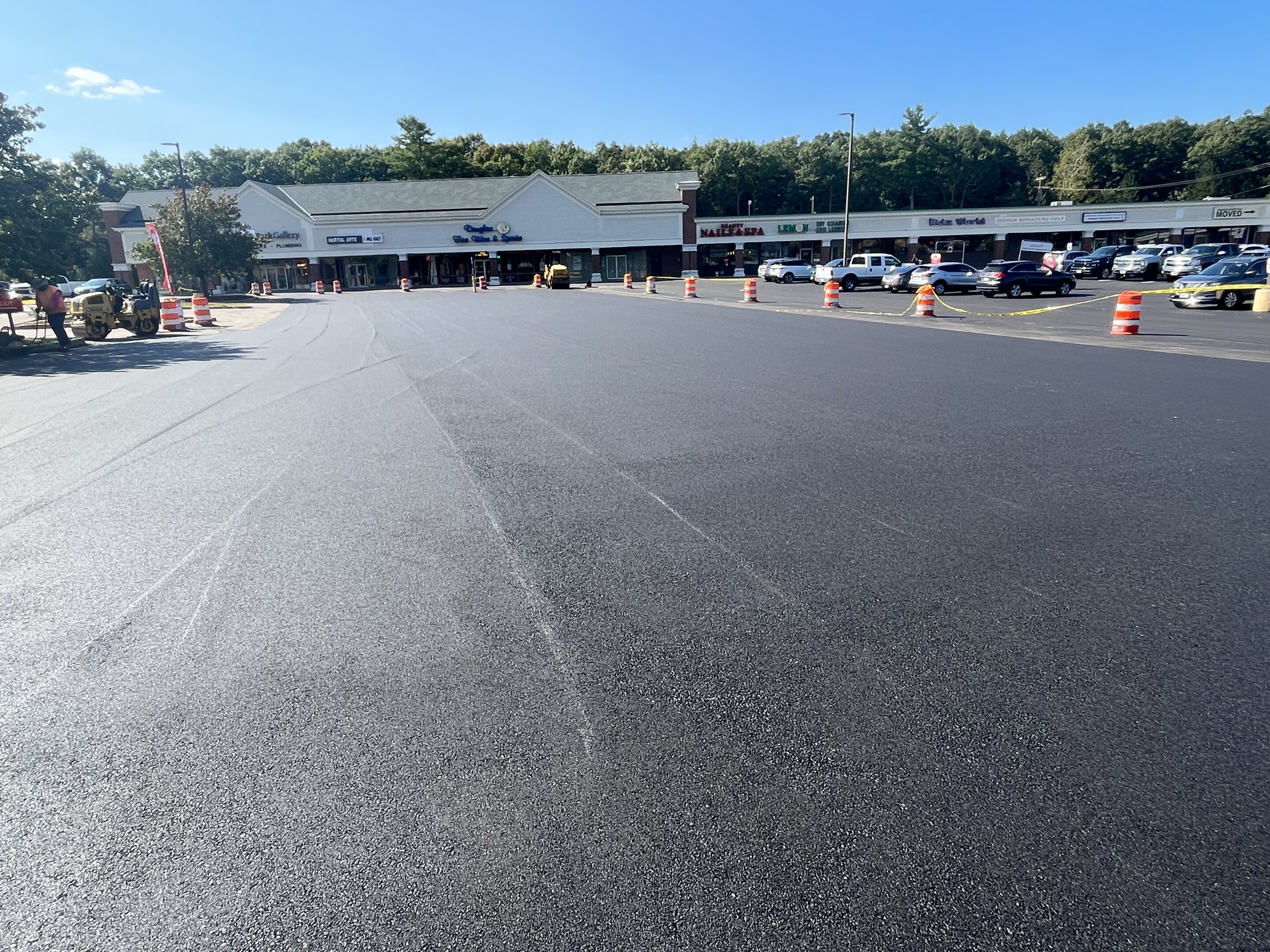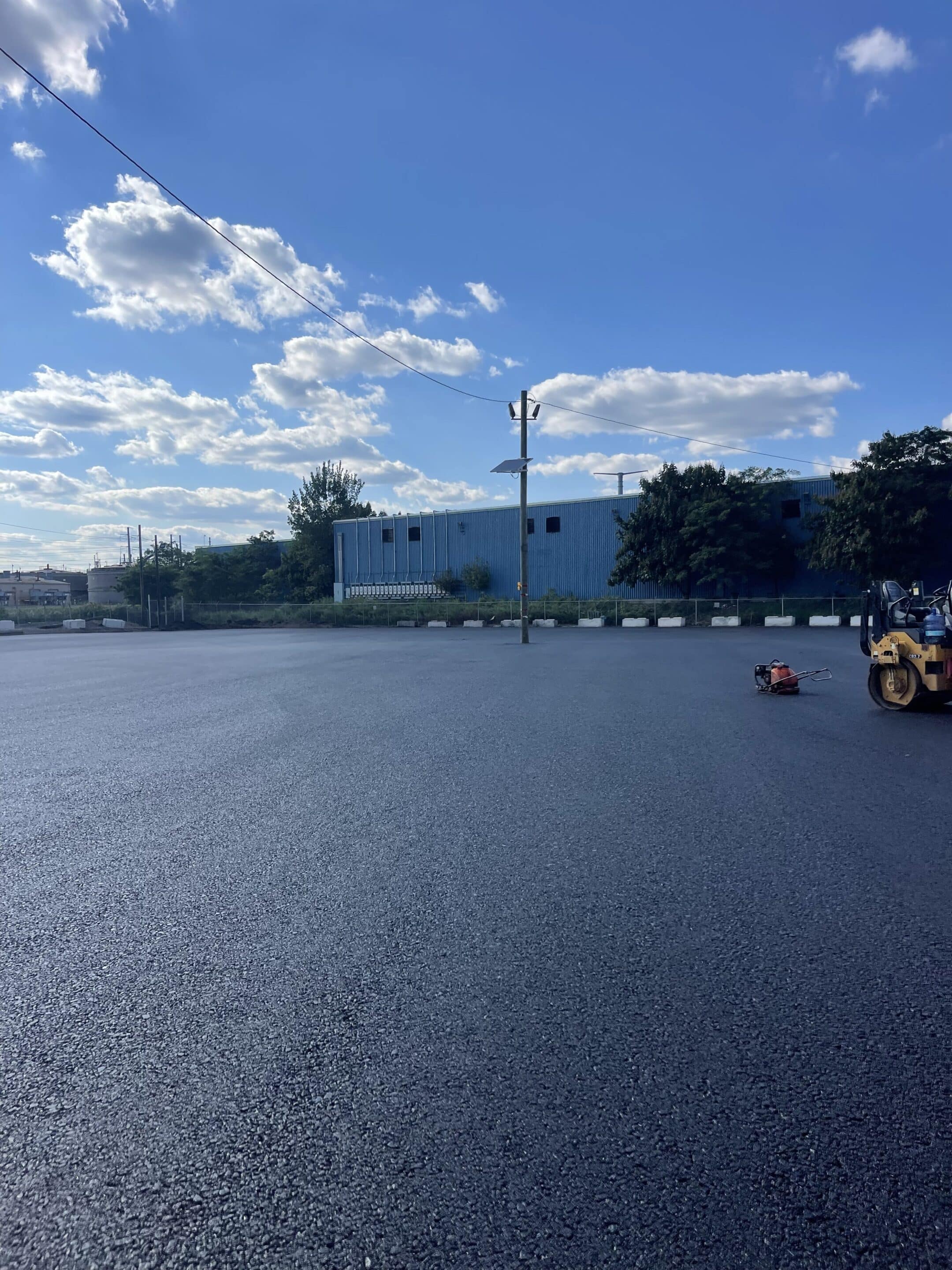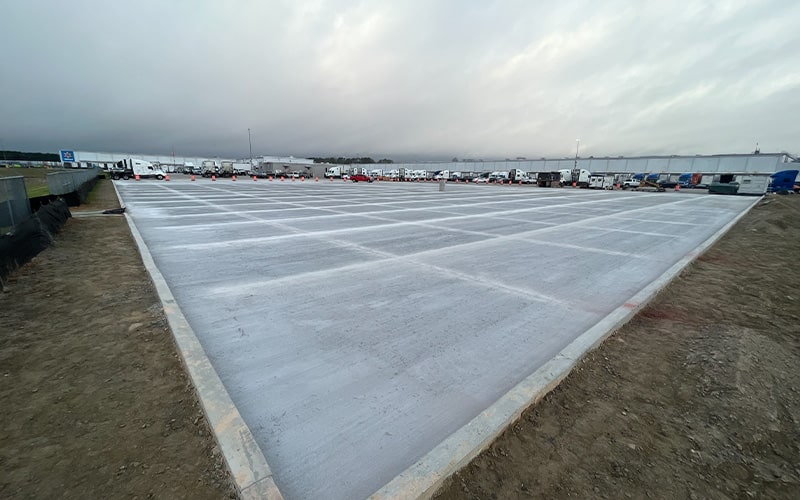
When it comes to determining the appropriate thickness for an asphalt project, there are a variety of factors that must be taken into consideration. Some of the key factors include the anticipated traffic loads, the climate and weather conditions in the area, and the existing soil and subgrade conditions. Here are some general guidelines and recommendations that can help inform the decision-making process:

  1. Traffic loads: The thickness of an asphalt layer should be proportional to the anticipated traffic loads that the pavement will be subjected to. Heavy-duty vehicles such as trucks and buses will require thicker layers of asphalt than lighter vehicles such as cars and motorcycles. The American Association of State Highway and Transportation Officials (AASHTO) provides guidelines for pavement thickness based on expected traffic loads.

  2. Climate and weather: The climate and weather conditions in the area where the asphalt project will be located can have a significant impact on the performance of the pavement. In areas with frequent freeze-thaw cycles or significant temperature fluctuations, thicker asphalt layers may be required to ensure that the pavement can withstand the stresses caused by these conditions.

  3. Soil and subgrade conditions: The condition of the soil and subgrade beneath the asphalt layer can also impact the thickness required for the pavement. If the soil is particularly weak or prone to settling, thicker asphalt layers may be needed to prevent cracking and damage to the surface.

In general, the thickness of an asphalt layer for a typical roadway or parking lot will range from 2 to 4 inches. However, the specific thickness required for a given project will depend on the specific factors listed above, as well as other site-specific conditions. It is recommended to consult with a qualified engineer or pavement expert to determine the appropriate thickness for your specific project.
 

Latest Projects

Supermarket Concrete Replacement

Supermarket Concrete Replacement

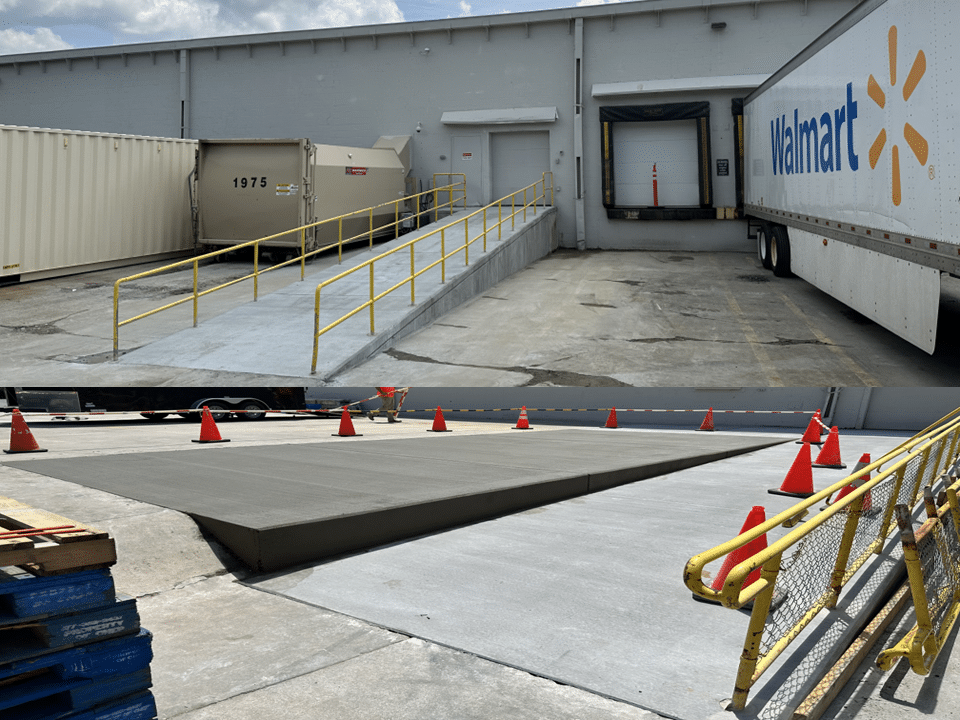
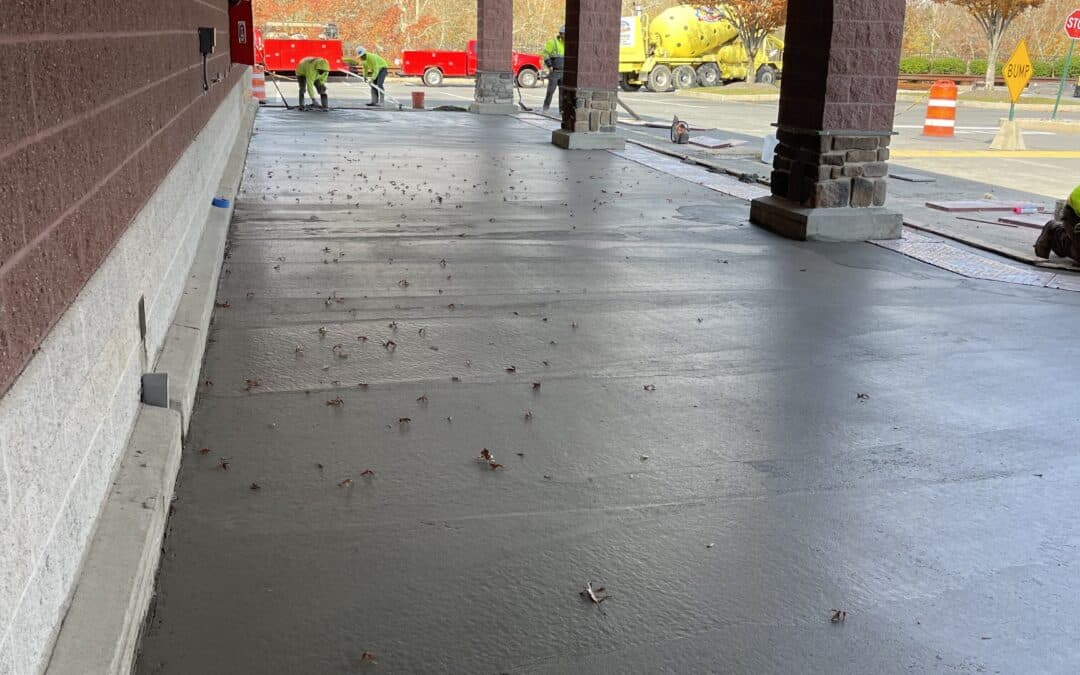
ProjectGalleryThe Delaware Valley Paving Crew replaced the entire concrete entryway for a major supermarket in the Northeast.[el_masonry_gallery image_ids="280520,280521,280522,280523,280524" number_of_columns="3" image_size="full" _builder_version="4.23.1"...

Train Depot Drainage Improvements

Train Depot Drainage Improvements

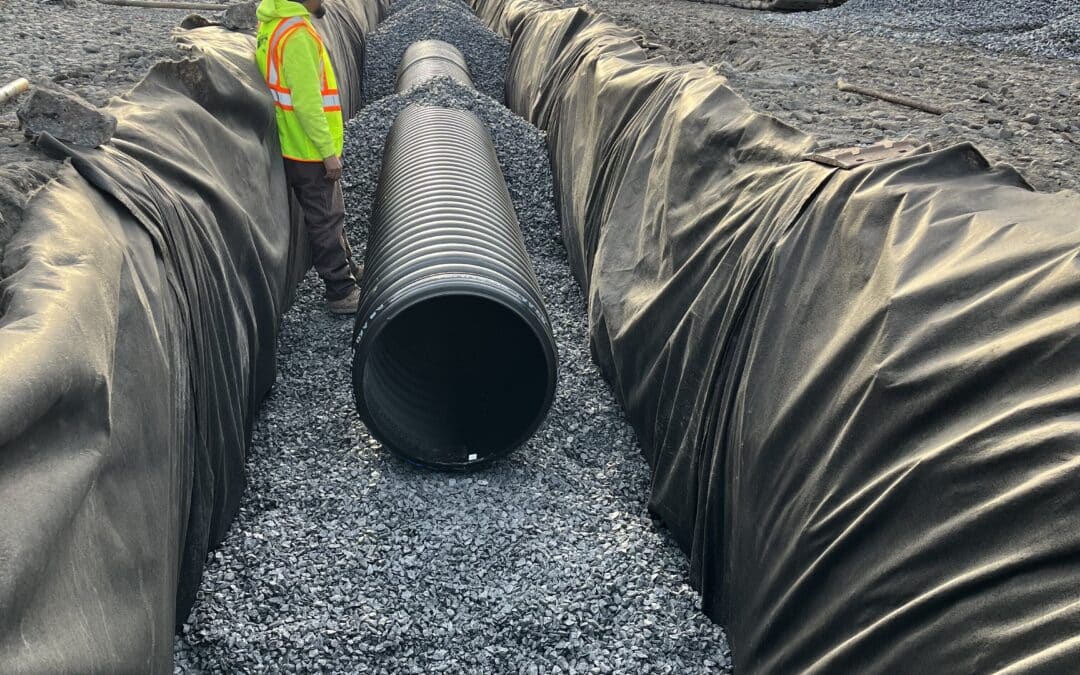
ProjectGalleryThe Delaware Valley Paving Crew installing new perforated pipe to solve drainage issues at a large train depot.[el_masonry_gallery image_ids="280494,280495,280493,280492,280491" number_of_columns="2" image_size="full" _builder_version="4.23.1"...

Fire Main Extension and Wet Tap

Fire Main Extension and Wet Tap

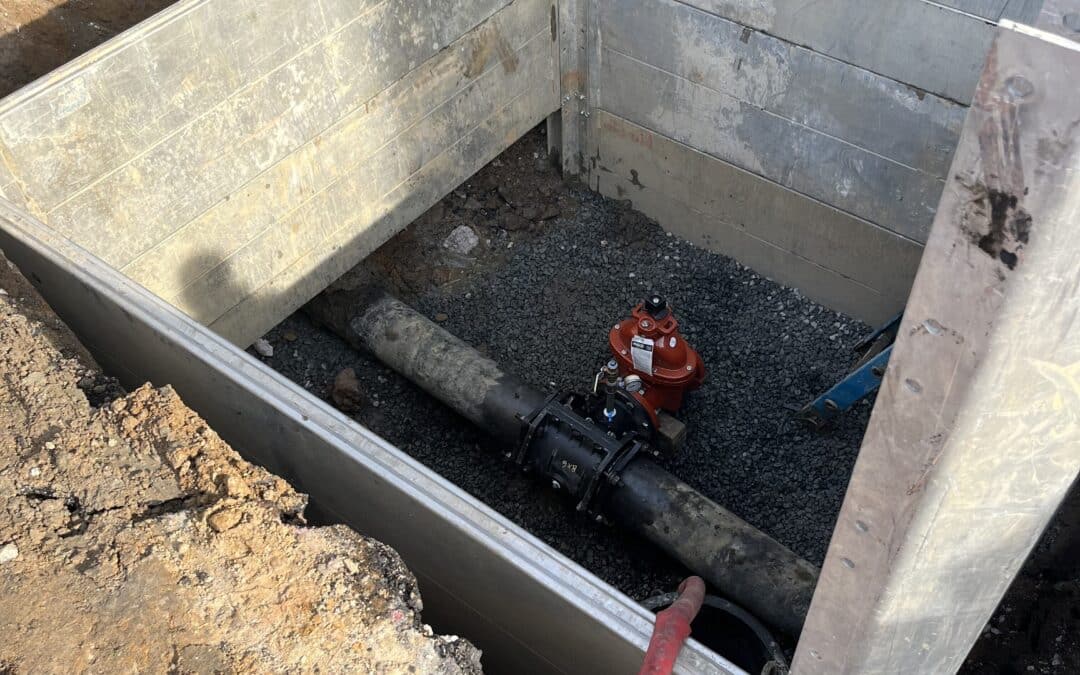
ProjectGalleryThe Delaware Valley Paving Crew was brought into to perform a wet tap installation of a new water line for a distribution center.[el_masonry_gallery image_ids="280489,280488,280525,280526,280527" number_of_columns="3" image_size="full"...

Building Smarter Budgets & Scopes: Setting Capital Projects Up for Success

Building Smarter Budgets & Scopes: Setting Capital Projects Up for Success

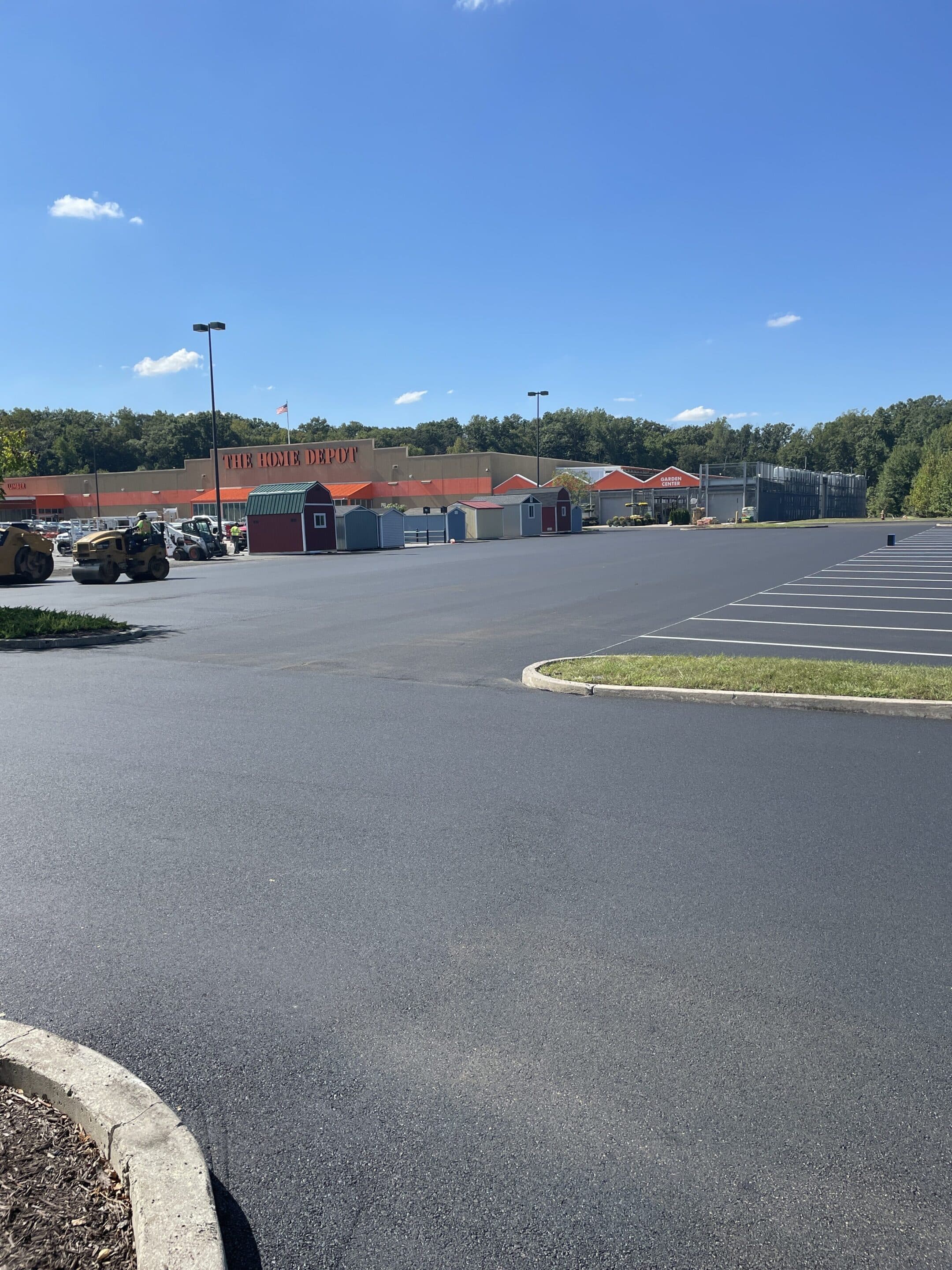
Successful capital projects start long before the first crew hits the ground. Clear budgeting and a defined scope of work lay the foundation for predictable results, controlled costs, and long-term performance.

At Delaware Valley Paving, we partner with facility teams and property managers nationwide to bring clarity and strategy to every stage of the process—from site assessments and phasing plans to value-engineered budgets and turnkey execution.

Plan smarter. Build stronger. With DVP as your capital planning partner, your projects are scoped right, budgeted right, and built to last.
read more

Why Strong Vendor Partnerships Drive Property Success

Strong vendor partnerships aren’t just helpful in property management—they’re essential. Reliable vendors bring consistency, speed, cost control, and expert guidance that protect your properties and your bottom line. At Delaware Valley Paving National Construction, we pride ourselves on being more than a contractor—we’re a trusted partner committed to the long-term success of every property we manage.

read more
Navigating Industrial Outdoor Storage Parking Lot Development

Navigating Industrial Outdoor Storage Parking Lot Development

The industrial real estate sector is changing fast—and at the heart of it is Industrial Outdoor Storage (IOS). Once overlooked, IOS is now a critical piece of supply chain and logistics, fueled by e-commerce growth, rising land costs, and the need for flexible, cost-effective storage solutions. Far more than “just a paved lot,” successful IOS sites demand careful planning—durable pavement, precise drainage, and compliance with zoning and stormwater regulations. As demand surges and space becomes scarce, getting IOS right has become a true competitive advantage.

read more

inspired?

Get a Quote For Your Project