Strategic decisions for project management in areas with seasonal weather change
Managing construction projects in regions with seasonal weather shifts requires more than just good planning—it requires strategic foresight. From paving and concrete work to site logistics and scheduling, weather can dictate project success. Property and project managers who anticipate these variables are better equipped to minimize disruptions, reduce costs, and deliver projects on time.
Understanding the Impact of Seasonal Weather
Different seasons bring unique challenges, and knowing how to adapt is key:
-
Cold Winters: Low temperatures limit paving and concrete options, slow curing times, and can cause frost-related ground movement.
-
Hot Summers: High heat can accelerate asphalt setting, affect worker safety, and require tight control over scheduling.
-
Rainy Seasons: Heavy rainfall impacts soil stability, drainage, and site access, creating delays if not accounted for.
-
Seasonal Transitions: Fluctuating temperatures can stress materials, cause expansion/contraction, and impact the durability of pavement if not planned for.
Strategic Scheduling and Phasing
One of the most important decisions is timing. Aligning scope with optimal weather windows helps avoid quality issues and costly rework.
-
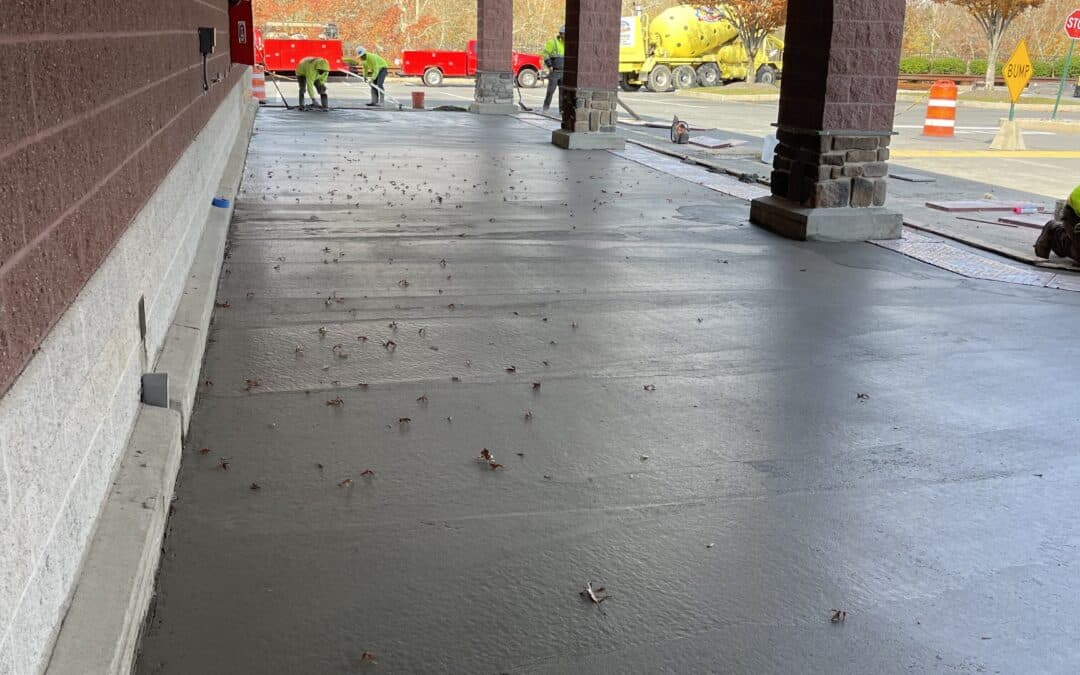
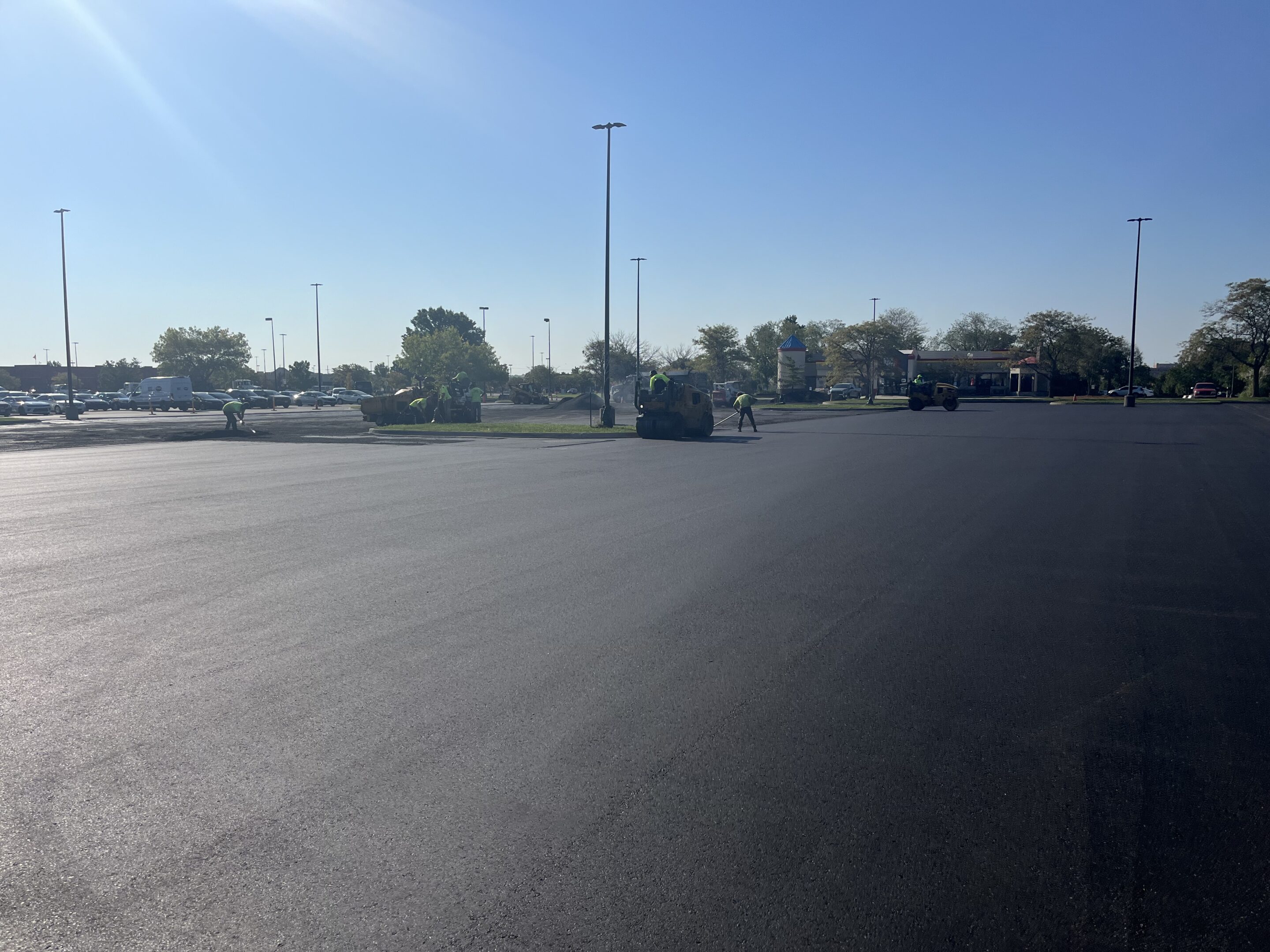
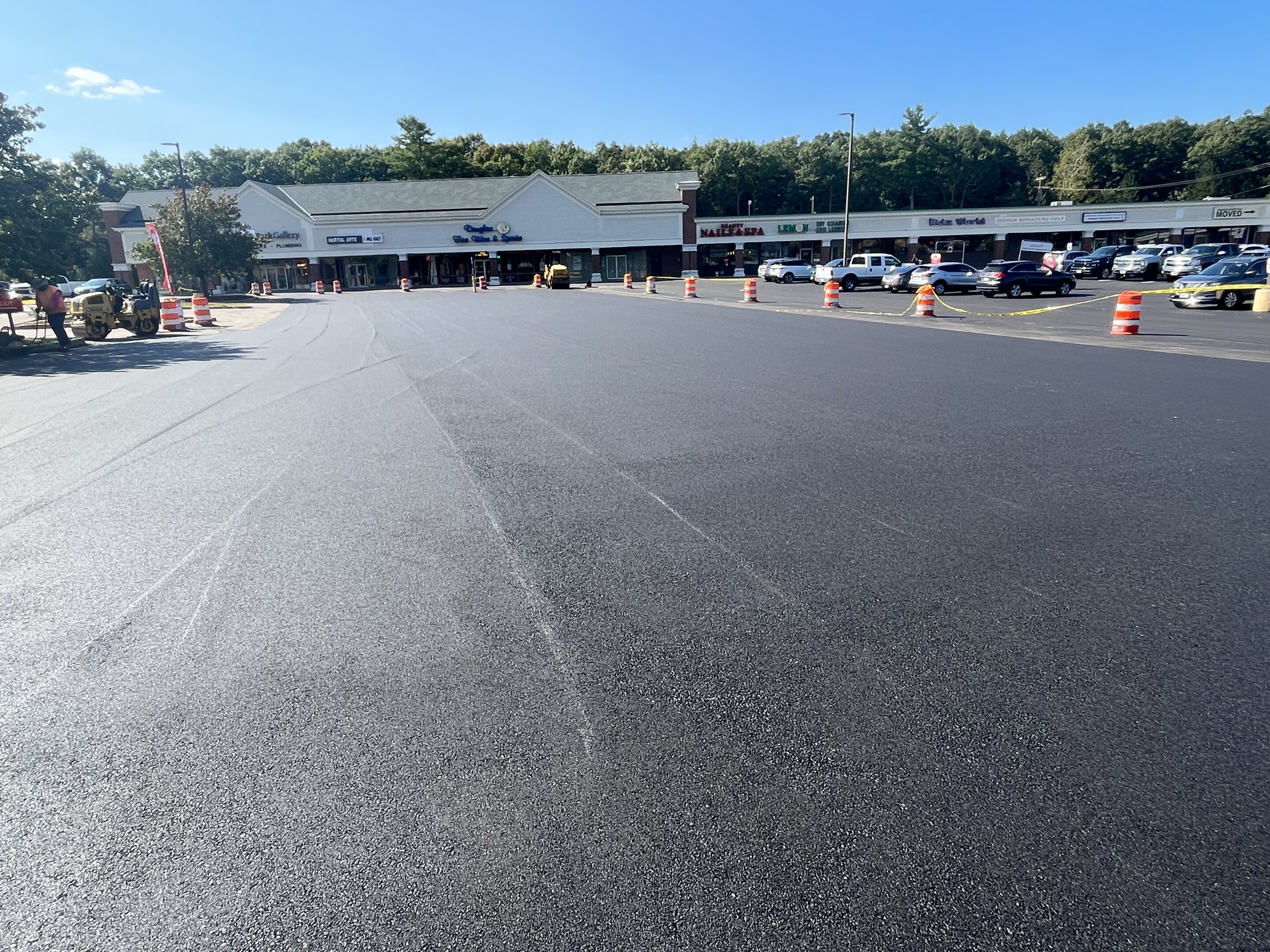
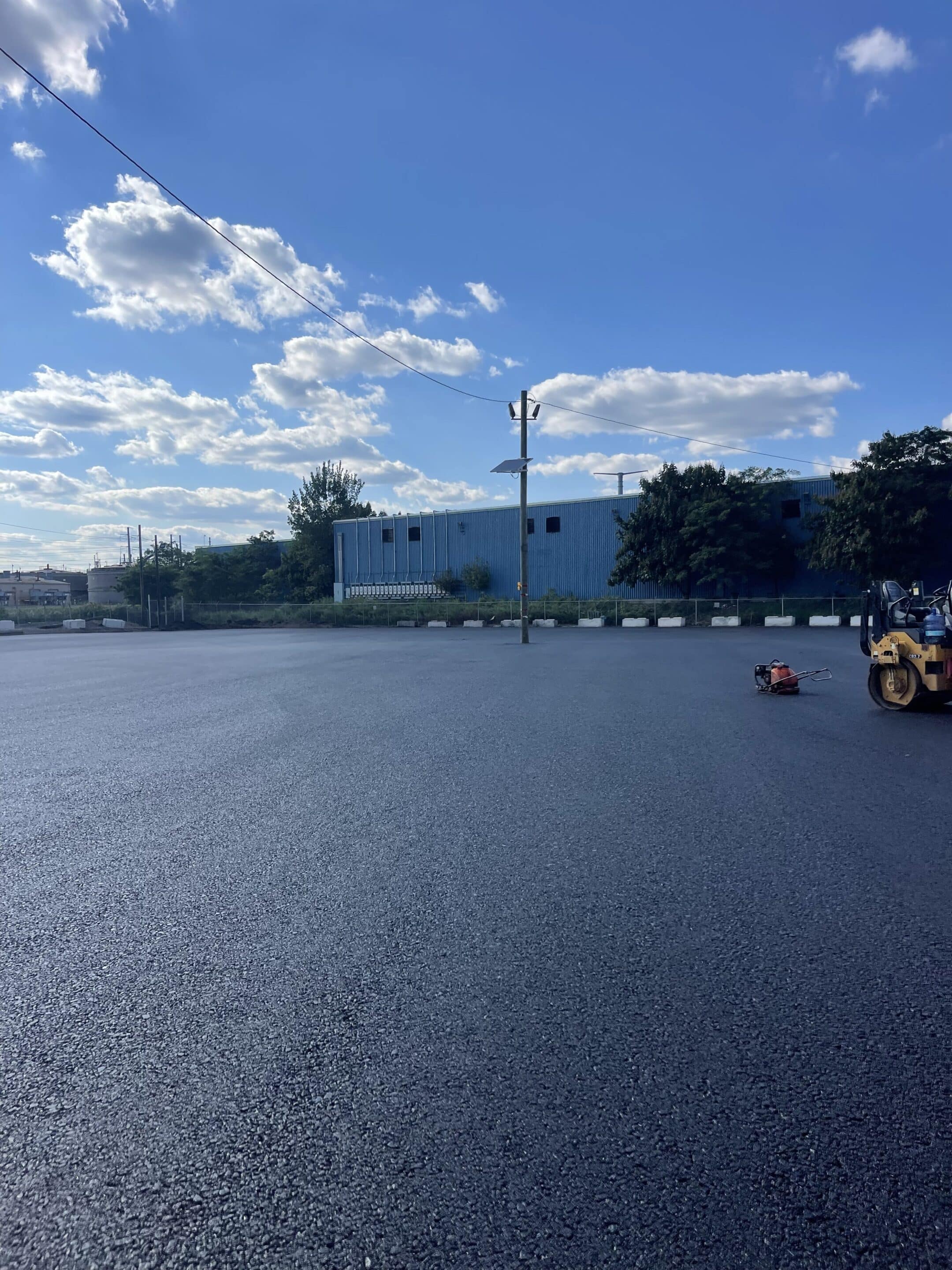
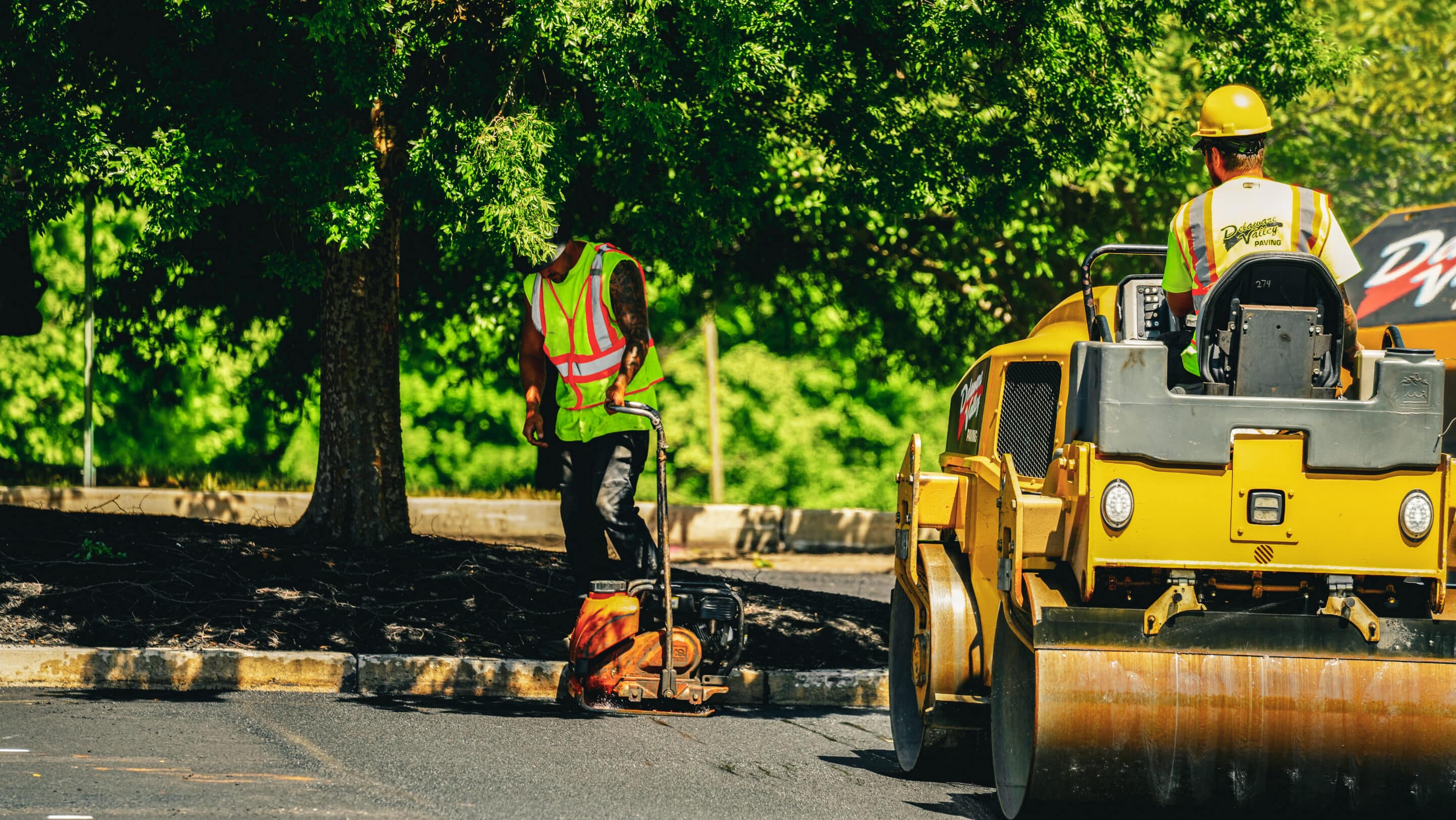
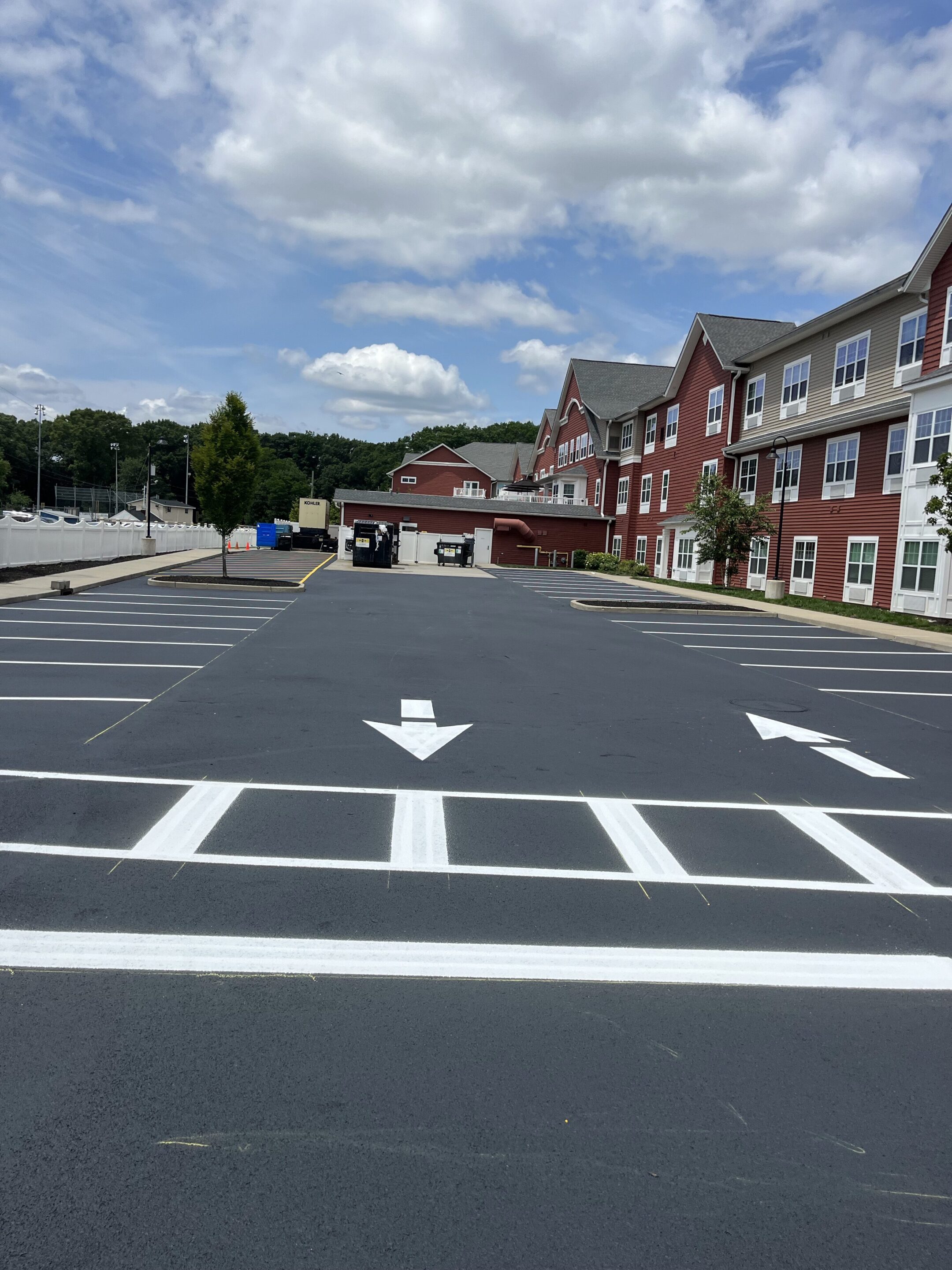
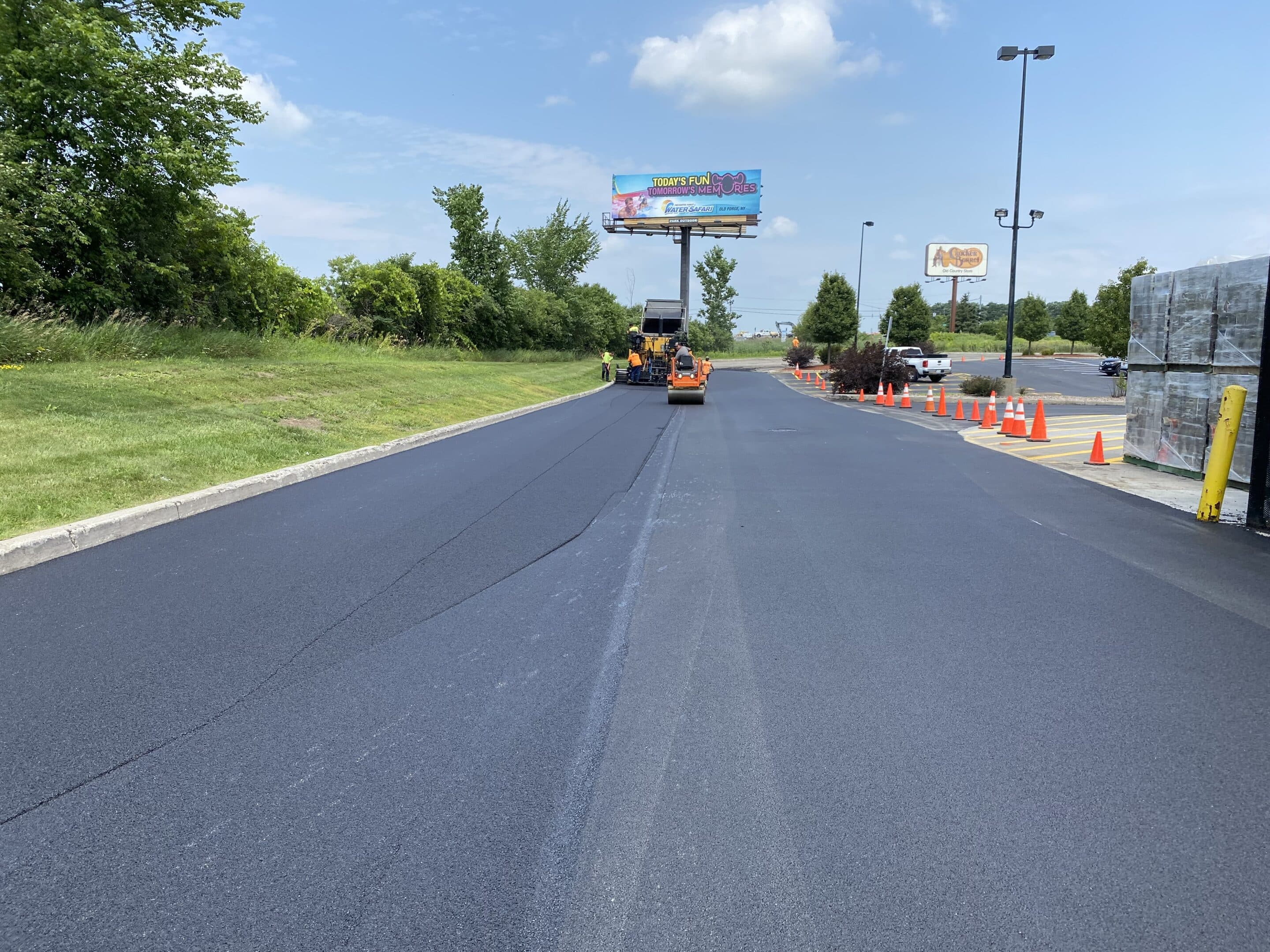
Plan Major Paving in Warm Months: Asphalt and concrete cure best in consistent, moderate-to-warm conditions.
-
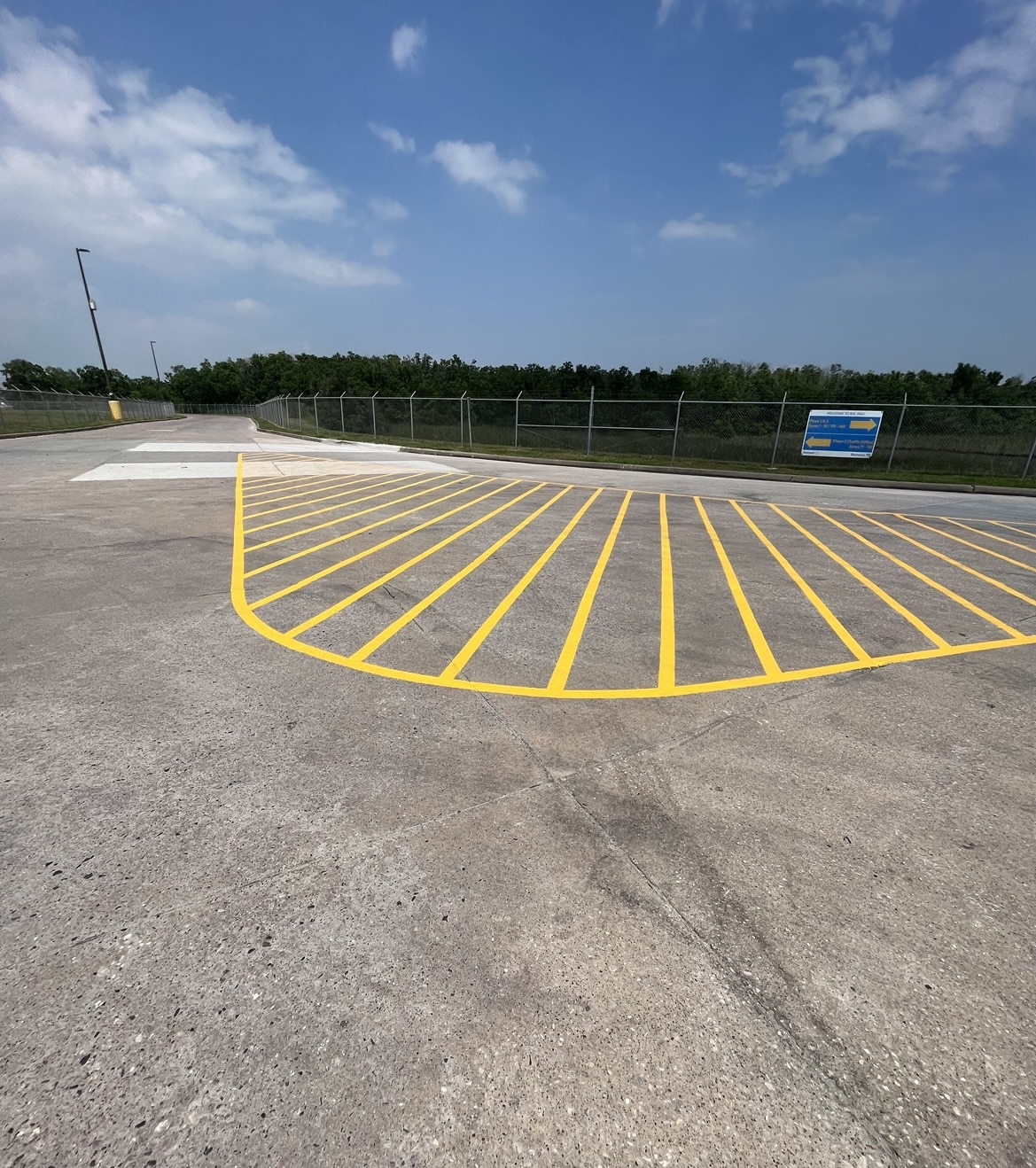
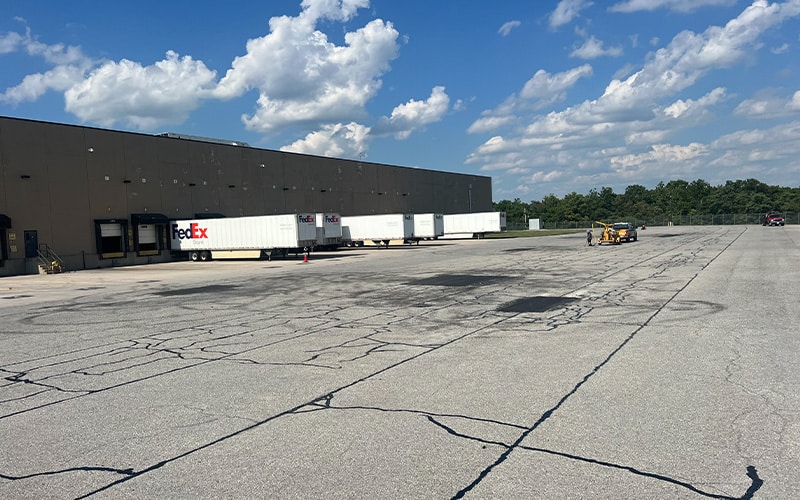
Schedule Preventative Maintenance in Shoulder Seasons: Crack sealing, sealcoating, and joint repairs are best completed in spring and fall before extreme heat or cold.
-
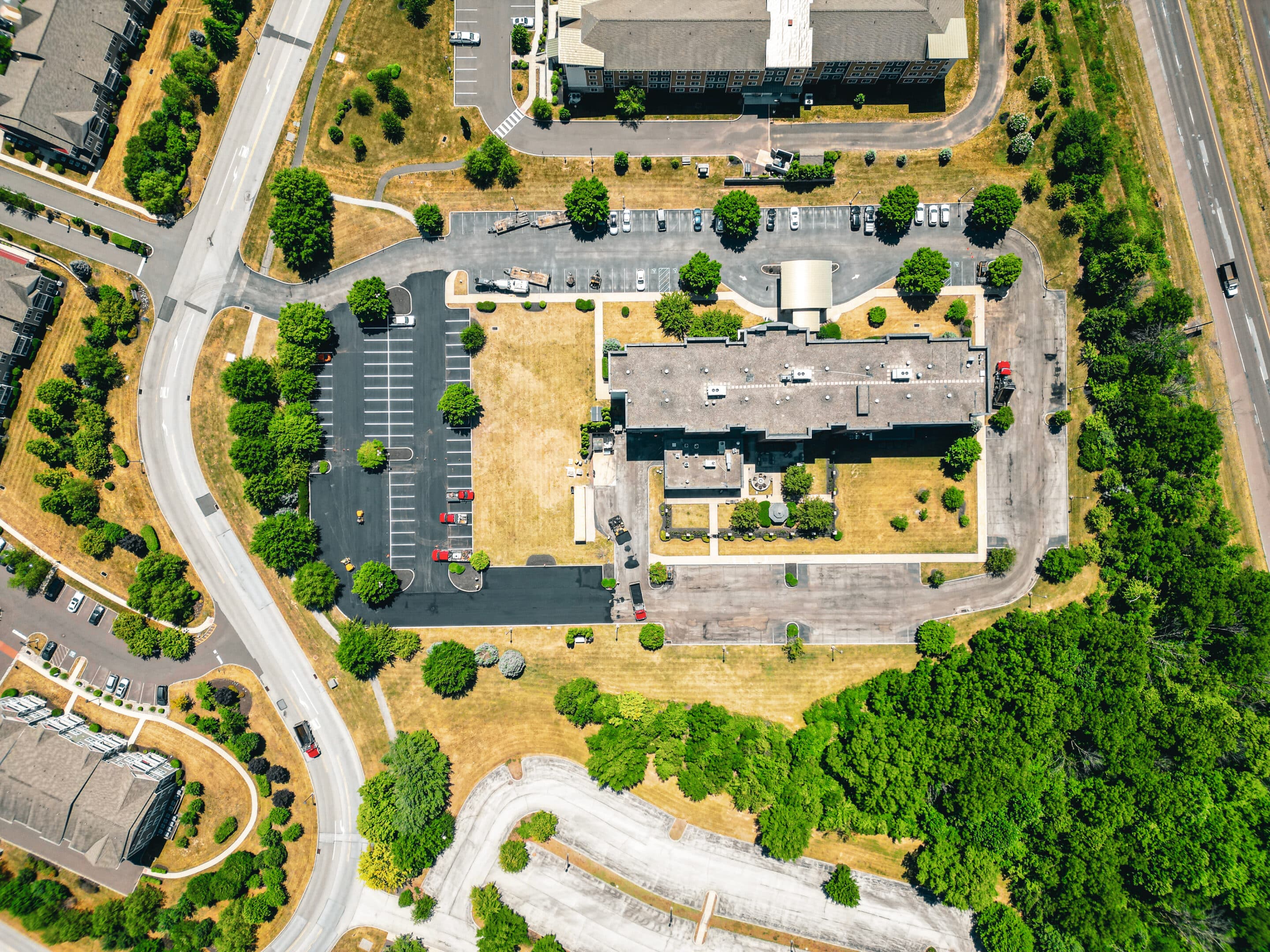
Use Phased Approaches: For large properties, spreading work across seasons minimizes disruption while accommodating weather limitations.
Materials and Methods Matter
Material selection is another strategic decision in weather-sensitive regions.
-
Cold-Weather Mixes: Specialized asphalt and concrete mixes can extend workable seasons.
-
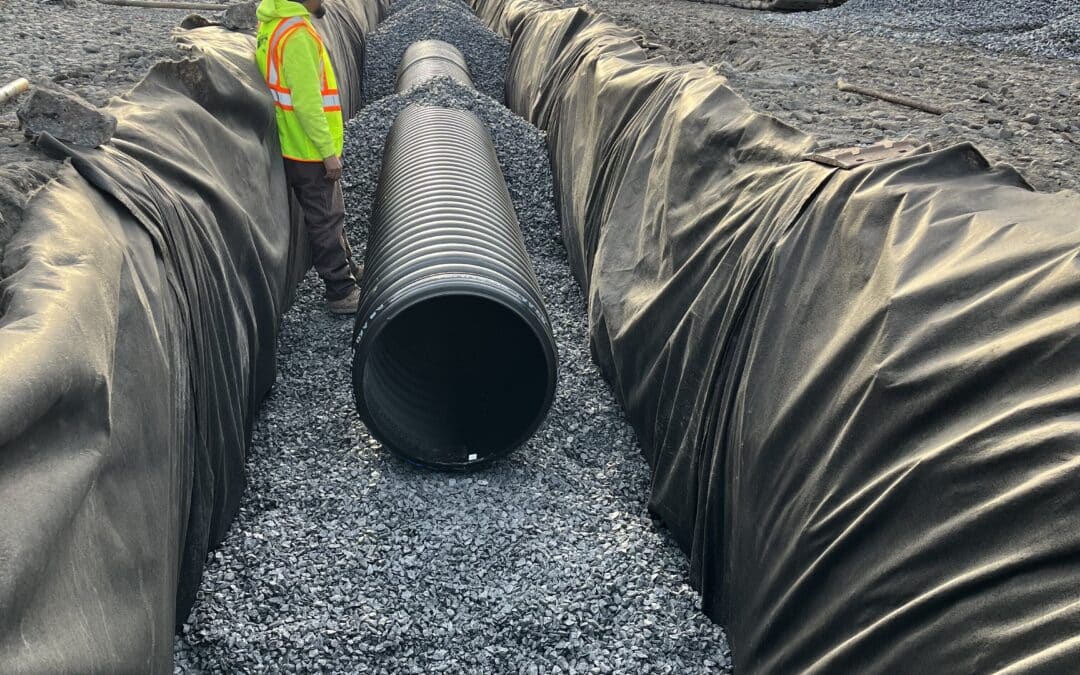
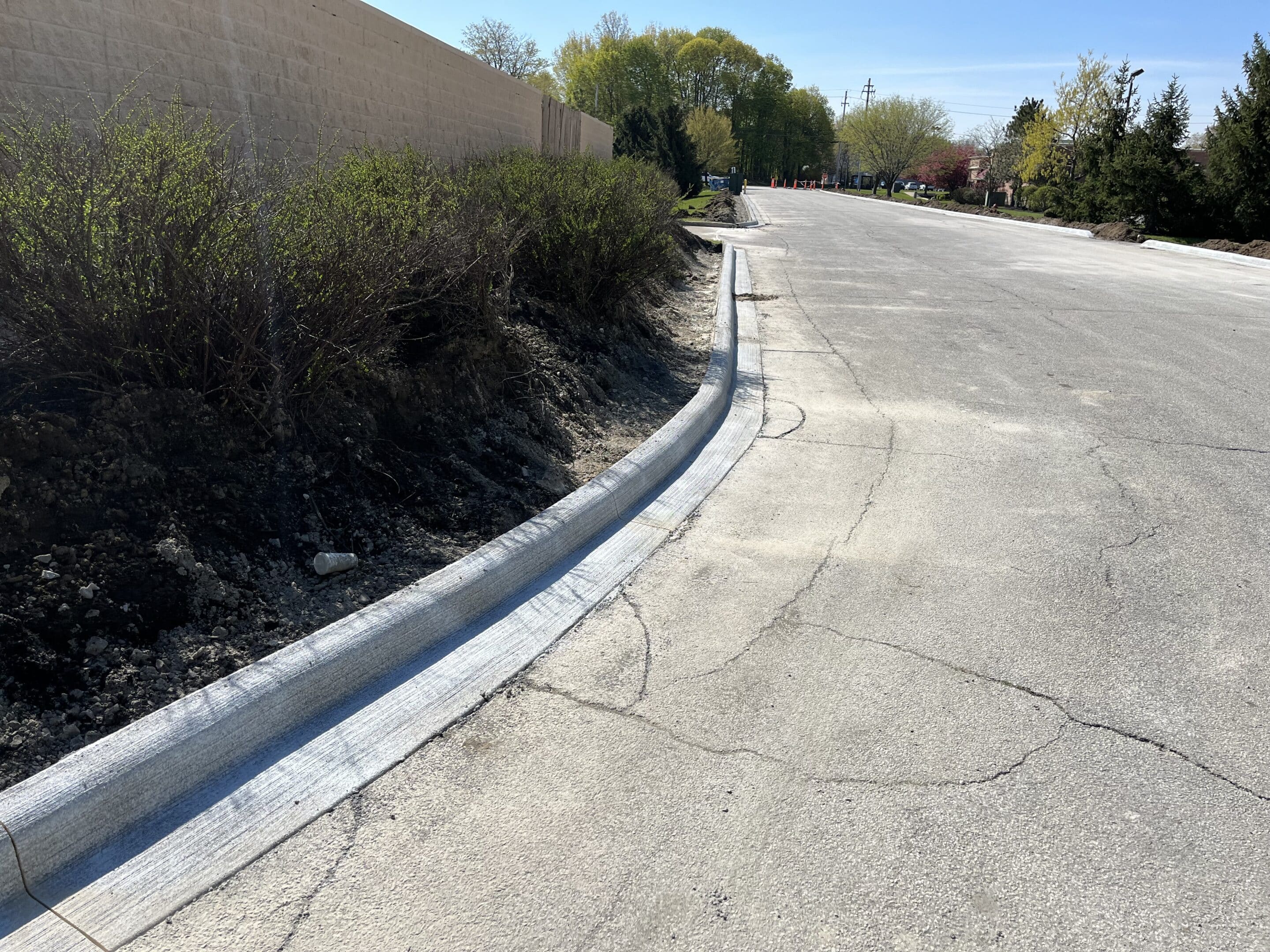
Drainage Design: Proper grading and water management systems protect against freeze-thaw cycles and heavy rainfall.
-
Protective Coatings: Sealants and surface treatments shield against UV damage, snow melt chemicals, and temperature extremes.
Building Flexibility Into Project Plans
No matter how well you plan, weather brings unpredictability. Smart managers build flexibility into schedules and budgets:
-
Contingency Time: Allow buffer days or weeks for rain, snow, or heat delays.
-
Backup Plans: Have alternate phases or tasks ready if weather halts field work.
-
Clear Communication: Keeping tenants, customers, and stakeholders informed avoids frustration when schedules shift.
The Bottom Line
Seasonal weather changes don’t have to derail projects. With strategic scheduling, careful material selection, and flexible planning, project managers can stay ahead of the forecast. Success comes from treating weather as a variable you can plan for—not just a challenge to react to.
???? Smart project management doesn’t fight the seasons—it works with them.