HOW TO AVOID CHANGE ORDERS
Few words in construction cause more frustration than “change order.” While sometimes unavoidable, most change orders add cost, extend schedules, and create tension between stakeholders. The good news: with the right planning and execution, many of them can be prevented.
Avoiding change orders isn’t just about saving money—it’s about keeping projects predictable, efficient, and aligned with expectations. Here are strategies to help minimize the risk.
1. Start With a Complete Scope of Work
The majority of change orders stem from unclear or incomplete scopes. Invest the time upfront to define project details.
-
Site Assessments: Walk the property, document existing conditions, and identify hidden risks.
-
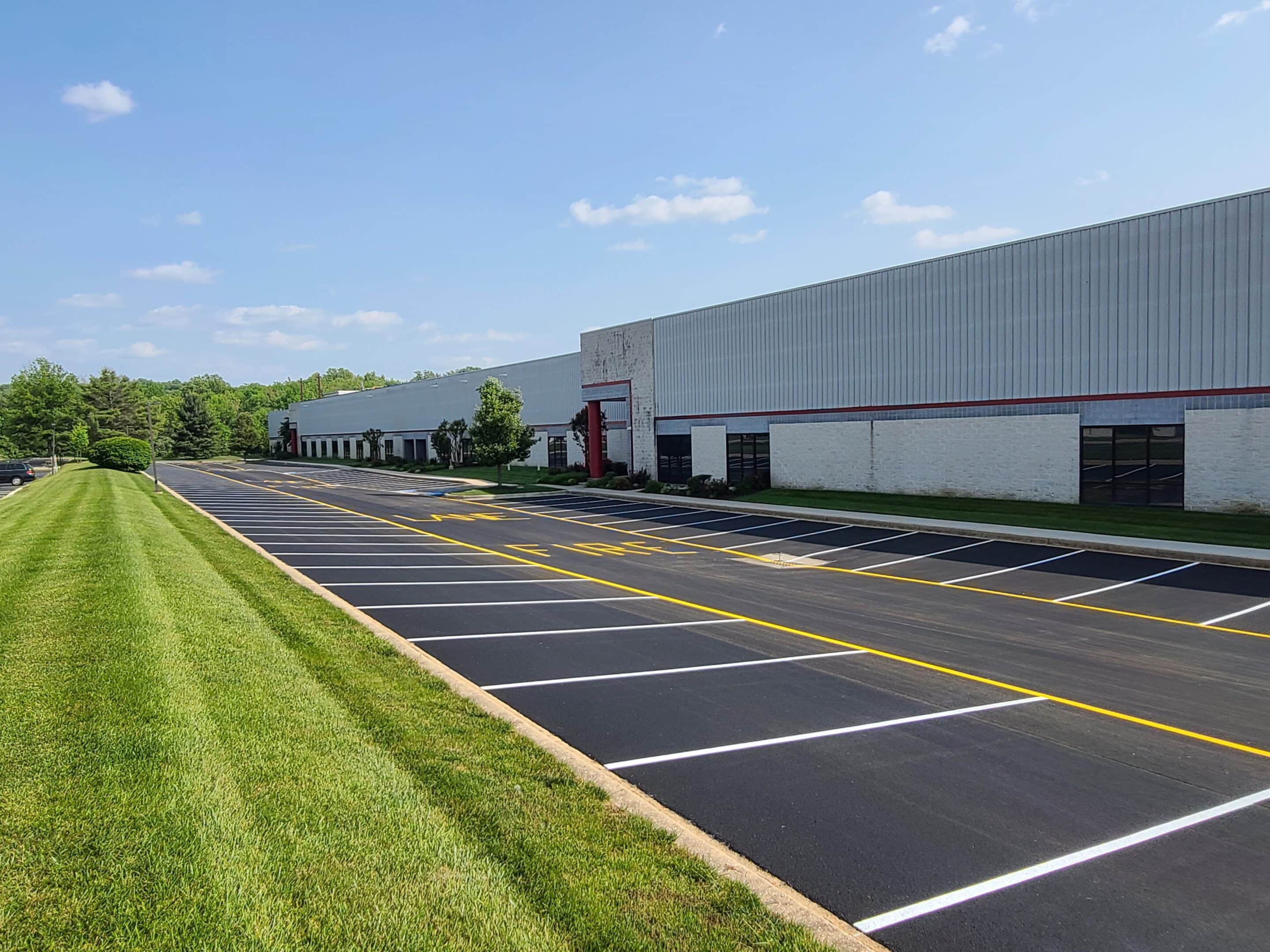
Clear Deliverables: Include specifications for asphalt thickness, concrete reinforcement, drainage, striping, signage, and any site-specific requirements.
-
Drawings & Photos: Detailed visuals eliminate guesswork.
The more detail in your bid package, the fewer surprises mid-project.
2. Communicate Early and Often
Misunderstandings lead to changes. Strong communication reduces them.
-
Pre-Construction Meetings: Align expectations, timelines, and responsibilities before work begins.
-
Stakeholder Involvement: Ensure property managers, tenants, and facility teams all have input.
-
Open Channels: Encourage questions and clarification during bidding and planning, not after the project starts.
3. Address Seasonal and Site Conditions
Weather and existing site conditions are common triggers for change orders. Anticipating these variables makes a big difference.
-
Weather Planning: Schedule paving or concrete work during optimal seasons to avoid quality issues.
-
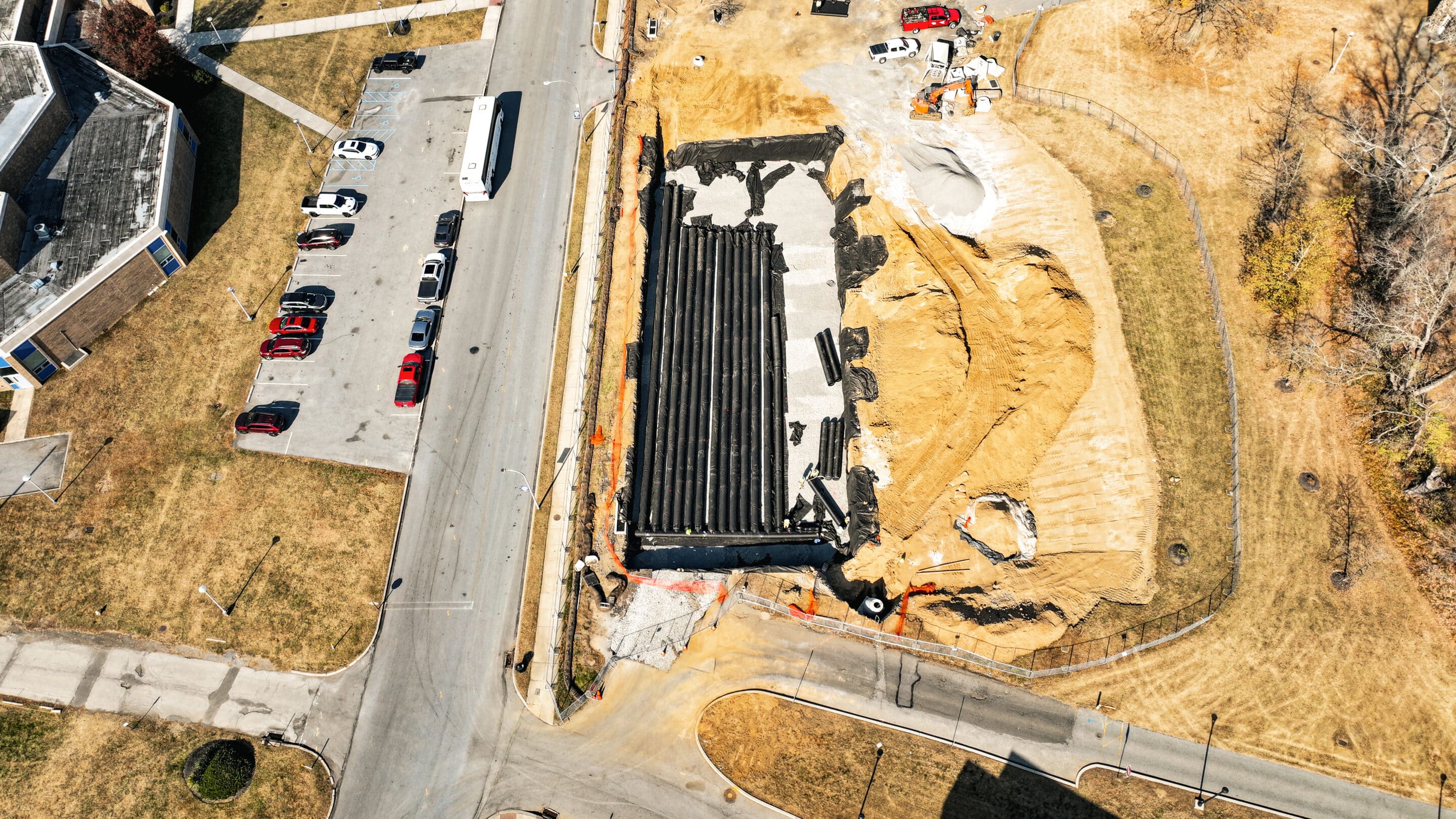
Soil and Drainage Testing: Hidden subsurface problems can be costly if discovered late.
-
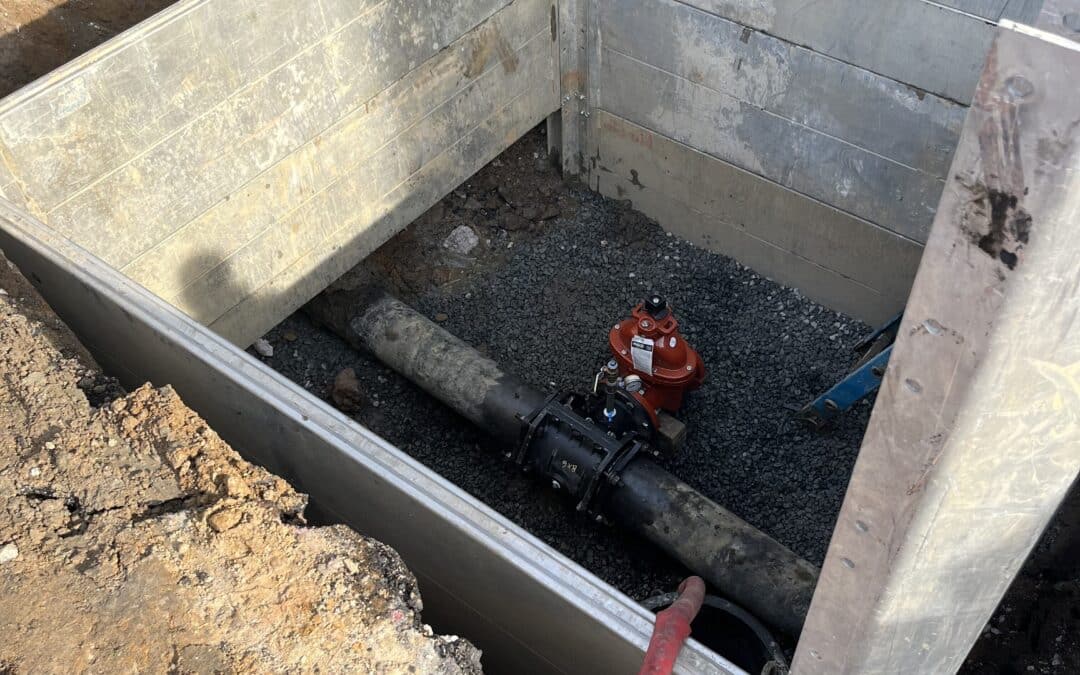
Utility Checks: Confirm underground utilities are located and marked before excavation.
4. Select the Right Contractor
Not all contractors approach planning the same way. The right partner helps you prevent scope creep.
-
Experience Matters: Look for contractors familiar with your property type and market.
-
Self-Performing Crews: Reduce risk by working with teams that control more of the work themselves.
-
Transparent Bidding: A thorough bid may look more detailed (and sometimes higher upfront) but saves far more by avoiding costly adjustments.
5. Build Contingency Into Your Budget
Even with the best planning, unforeseen issues happen. Smart managers budget 5–10% contingency to absorb potential changes without derailing the project. Planning for the unexpected keeps decision-making calm and efficient.
The Bottom Line
Change orders may never disappear completely, but they don’t have to define your project. By investing in upfront planning, communicating effectively, and anticipating risks, property and project managers can drastically reduce the likelihood of costly surprises.
The key to avoiding change orders is simple: treat preparation as seriously as execution.
???? A well-planned project is a predictable project—and predictability is where true value lies.